
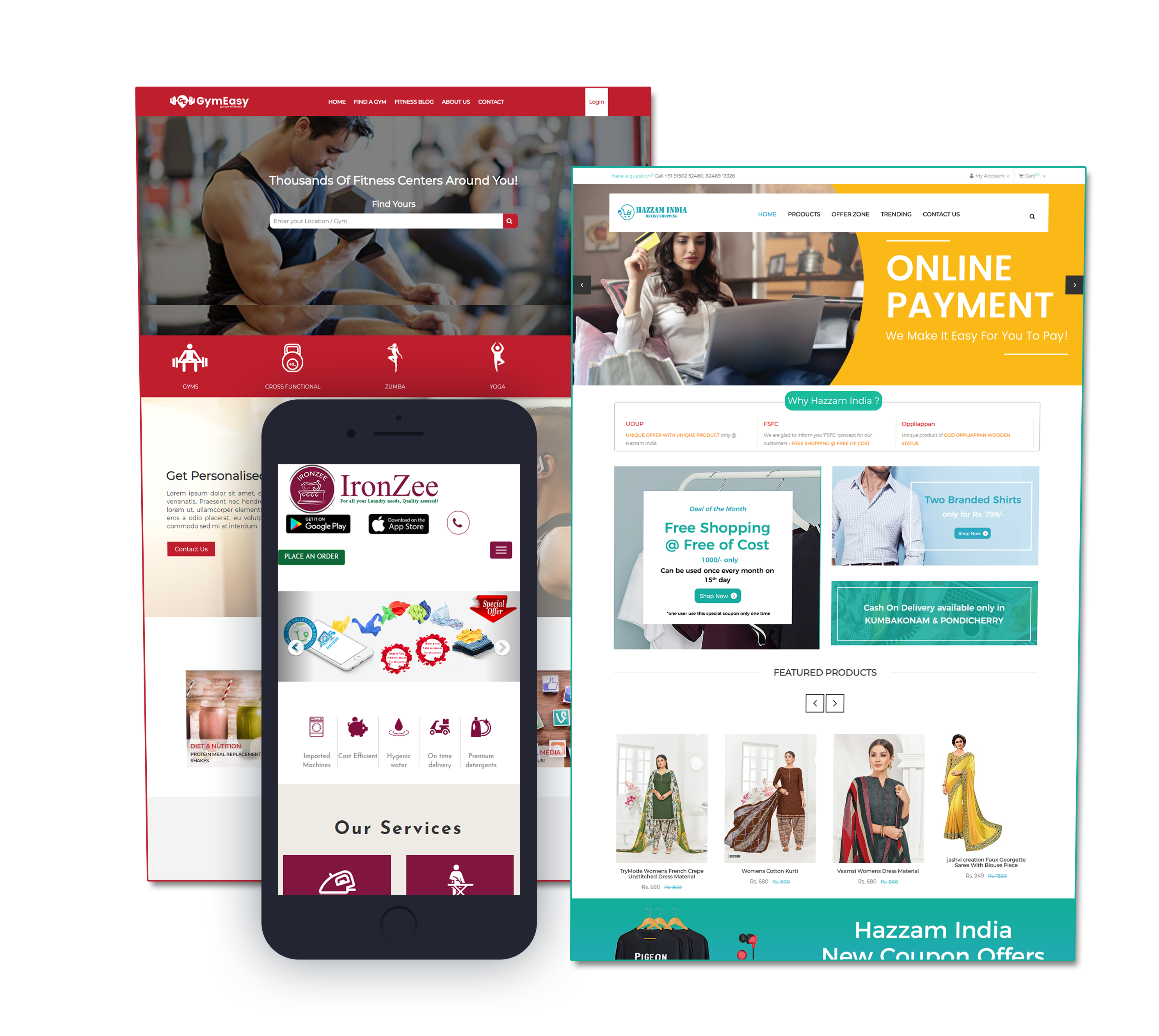
Why Digital Marketing Important For Business
Why Is Digital Marketing Important for Business?
Digital marketing is important for business because it puts your company in front of the exact people who are already searching for what you sell — on Google, on social media, and on their phones — and lets you measure every rupee you spend on reaching them. Unlike traditional advertising, digital marketing lets a business of any size compete for attention, generate leads, and grow revenue without needing a massive marketing budget. For most businesses today, an online presence isn't optional — it's the primary way new customers find, evaluate, and choose who to buy from.
In this guide, we'll break down what digital marketing actually includes, why it matters for businesses of every size, the channels worth investing in, and how to build a simple strategy around it.
What Is Digital Marketing?
Digital marketing is the use of online channels — search engines, social media, email, and websites — to promote a business, attract the right audience, and turn visitors into paying customers. The main channels businesses use include:
- SEO (Search Engine Optimization) — improving your website so it ranks higher in Google's organic search results
- Social Media Marketing — building visibility and engagement on platforms like Instagram, Facebook, and LinkedIn
- Google Ads / PPC — paid ads that appear when people search for related keywords
- Content Marketing — blogs, guides, and videos that answer customer questions and build trust
- Email Marketing — nurturing leads and repeat customers directly in their inbox
- Local SEO — helping nearby customers find your business on Google Maps and local search
- Website Marketing — making sure your website itself converts visitors into enquiries
Why Is Digital Marketing Important for Businesses?
Digital marketing is important because it meets customers where they already are: online, researching, comparing, and deciding before they ever pick up the phone. Most B2B and B2C customers research a product or service online before making contact — which means a business without a strong digital presence is often invisible at the exact moment a decision is being made. Digital marketing closes that gap by making a business easy to find, easy to trust, and easy to buy from.
It also gives businesses something traditional marketing never could: measurability. Every click, visit, enquiry, and sale can be tracked, which means marketing spend can be adjusted based on what's actually working rather than guesswork.
10 Key Benefits of Digital Marketing for Business Growth
1. Reaches the right audience
Digital marketing lets you target people by location, interest, and search behaviour, instead of broadcasting to everyone. Example: a local furniture store can target Google Ads only to people searching "furniture shop near me" within their city.
2. Increases online visibility
Ranking in search results and appearing consistently on social media keeps your brand visible when customers are ready to buy. Example: a clinic that ranks for "dentist in [area]" gets found by patients actively looking for care.
3. Generates qualified leads
Forms, click-to-call buttons, and landing pages turn website visitors into actual enquiries. Example: a B2B service business can capture leads through a simple "Request a Quote" form optimized for conversions.
4. Helps increase sales
By guiding visitors from awareness to enquiry to purchase, digital marketing shortens the path to a sale. Example: an ecommerce store using retargeting ads can bring back visitors who viewed a product but didn't buy.
5. Is measurable
Every campaign can be tracked — clicks, conversions, cost per lead — so decisions are based on real data, not assumptions.
6. Supports cost-effective marketing
Compared to print or television, digital campaigns can be started with smaller budgets and adjusted in real time based on performance.
7. Improves customer engagement
Social media and email let businesses talk directly with customers, answer questions, and build relationships beyond a single transaction.
8. Builds brand awareness
Consistent content and visibility across search and social media help a business become recognisable, not just findable.
9. Helps businesses compete online
Even a small business can compete with larger competitors in search results and social media if its content and SEO are done well.
10. Supports long-term business growth
Unlike a single ad campaign, SEO and content marketing continue generating traffic and leads long after the initial work is done, compounding value over time.
Why Digital Marketing Is Important for Small Businesses
Small businesses often can't match the advertising budgets of larger competitors — which is exactly why digital marketing matters most for them. It levels the playing field.
- SEO helps a small business rank for searches its ideal customers are already making, without paying for every click.
- Local SEO and Google Business Profile put a business on the map — literally — for "near me" searches, which is critical for shops, clinics, and service providers.
- Social media builds a following and trust without large production budgets.
- Content marketing (simple blog posts answering customer questions) builds authority and organic traffic over time.
- Google Ads can be started with a modest daily budget and scaled once it proves profitable.
- Website optimization ensures the traffic a small business does get actually converts into enquiries, not bounces.
Example: a small tailoring business in a single neighbourhood can use Google Business Profile and local SEO to appear in nearby searches, then use Instagram to showcase finished work and drive repeat bookings — all without a large ad budget.
How Digital Marketing Helps Business Growth
Digital marketing works as a connected journey, not a single action:
Search → Website → Engagement → Enquiry → Lead → Customer → Repeat Customer
- A potential customer searches for a product or service (organic search, Google Ads, or social media).
- They land on your website, where design, speed, and clarity determine whether they stay.
- They engage with your content — reading a page, watching a video, or browsing your social media.
- If convinced, they submit an enquiry through a form, call, or WhatsApp message.
- That enquiry becomes a lead your sales team can follow up with.
- A well-handled lead converts into a customer.
- Email marketing and social media keep that customer engaged, turning them into a repeat customer.
Each digital marketing channel plays a different role in this journey — SEO and ads drive the search stage, website design drives the engagement stage, and email/social media drive the repeat-customer stage.
Important Digital Marketing Channels for Businesses
Search Engine Optimization (SEO)
SEO is best when a business wants sustainable, long-term traffic without paying per click. It's especially valuable for businesses with informational or comparison-driven searches, where customers research before buying. Learn more about our SEO services.
Social Media Marketing
Useful for building brand awareness, engaging an existing audience, and showcasing products visually — particularly effective for retail, hospitality, fashion, and lifestyle businesses. See our social media marketing services.
Google Ads / PPC
Best when a business needs fast, immediate visibility — for new launches, seasonal promotions, or highly competitive keywords where ranking organically would take time. Explore our Google Ads / PPC services.
Content Marketing
Blog posts, guides, and videos that answer real customer questions. This builds trust and supports SEO simultaneously, and works well for businesses with a longer decision-making cycle.
Email Marketing
One of the most cost-effective channels for nurturing leads and retaining existing customers, especially for businesses with repeat purchase cycles. Check our email marketing services.
Local SEO
Essential for any business that serves customers within a specific city or neighbourhood — restaurants, clinics, salons, repair shops, and local service providers.
How to Create a Digital Marketing Strategy
- Define business goals — more enquiries, more sales, or more brand visibility.
- Identify the target audience — who they are, where they search, what they need.
- Research competitors — see what's working (and what's missing) in your space.
- Research keywords — understand what your customers are actually searching for. Our market research and analysis services can help with this.
- Select suitable digital channels — based on your goals, budget, and audience.
- Create useful content — content that answers real customer questions.
- Optimize the website — for speed, clarity, and mobile usability.
- Generate leads — through forms, calls, and clear calls-to-action. See our lead generation services.
- Track conversions — know exactly what's driving enquiries and sales.
- Improve the strategy based on results — double down on what works, fix what doesn't.
Common Digital Marketing Mistakes to Avoid
- Not defining a target audience before starting campaigns
- Ignoring SEO in favour of only paid ads
- Running campaigns that drive traffic to a poor, slow, or outdated website — see our related guide on why your website gets visitors but no leads
- Focusing on social media follower counts instead of actual leads
- Not tracking conversions, so spend can't be justified or optimized
- Creating content without understanding search intent
- Expecting immediate results from SEO and content marketing
- Leaving old content outdated instead of refreshing it
- Copying a generic strategy instead of tailoring it to the business and industry
How Much Does Digital Marketing Cost?
There's no single fixed price for digital marketing — cost depends on several factors specific to each business:
- Business goals (brand awareness vs. lead generation vs. sales)
- Industry and how competitive it is online
- Level of competition for relevant keywords
- Marketing channels chosen (SEO, PPC, social media, or a combination)
- Target location (local, city-wide, national)
- Campaign duration (short-term push vs. long-term strategy)
- Advertising budget for paid channels like Google Ads
Because of these variables, the right approach is to define your goals first, then build a plan and budget around what those goals actually require — rather than starting with a fixed number.
Frequently Asked Questions
1. Why is digital marketing important for businesses?
It helps businesses reach customers who are actively searching online, build visibility, generate measurable leads, and grow in a way that can be tracked and improved over time.
2. Why is digital marketing important for small businesses?
It allows small businesses to compete with larger competitors by targeting the right local audience through SEO, local search, and social media — often at a lower cost than traditional advertising.
3. How does digital marketing help increase sales?
By guiding potential customers through a clear journey — from search to website to enquiry — digital marketing turns online visibility into actual leads and sales.
4. What are the main benefits of digital marketing?
Key benefits include reaching the right audience, measurable results, cost-effectiveness, improved customer engagement, stronger brand awareness, and long-term business growth.
5. Which digital marketing strategy is best for a small business?
It depends on the goal — local SEO and Google Business Profile work well for local visibility, while social media and content marketing help build a longer-term audience.
6. How long does digital marketing take to show results?
Paid channels like Google Ads can show results within days, while SEO and content marketing typically take a few months to build sustainable traffic and rankings.
7. Is digital marketing better than traditional marketing?
Digital marketing generally offers better targeting, measurability, and cost control, but many businesses benefit from combining both approaches depending on their audience.
8. How can businesses start digital marketing?
Start by defining clear goals, understanding your target audience, choosing 1–2 channels that fit your budget, and building from there based on what performs well.
If you're not sure which digital marketing channels are right for your business, ImpressBSS can help you evaluate your current online presence and put together a strategy suited to your goals and budget. Get in touch with our team to discuss what would work best for your business.